Phantom Blade Zero State of Play is an official deep dive covering Soul's 66-day premise, the Phantom World, exploration maps, weapons, Phantom Edges, difficulty options, and a demonstrated Boss encounter. The presentation explains S-GAME's own systems and setting rather than delivering an independent review of performance or quality. Every claim below is attributed to the showcase, with verdicts reserved until release.
Soul's story and the 66-day limit
The showcase says players control Soul, a swordsman of the Order. He is framed for murdering his leader, betrayed by former allies, and stabbed through the heart after a confrontation. A healer called the Flesh Sculptor revives him, but the treatment leaves Soul with only 66 days to live.
That countdown drives a search for survival and the truth behind the betrayal. The presentation places Soul among fallen guardians of justice, dark forces, and warriors constrained by broken codes, while stressing that choices shape his path. These are developer-presented story premises, not a reviewer's judgment about the completed narrative or the consequences of every choice.
The deep dive also places martial artists from across the Wulin in a town filled with rival factions, concealed hostility, and conspiracy. Its story footage suggests that Soul uncovers secrets connected to the healer and encounters conflicts bigger than personal survival. The showcase does not disclose the ending, the complete faction map, or how the 66-day story premise operates in the standard difficulty modes.
Phantom World and kungfupunk
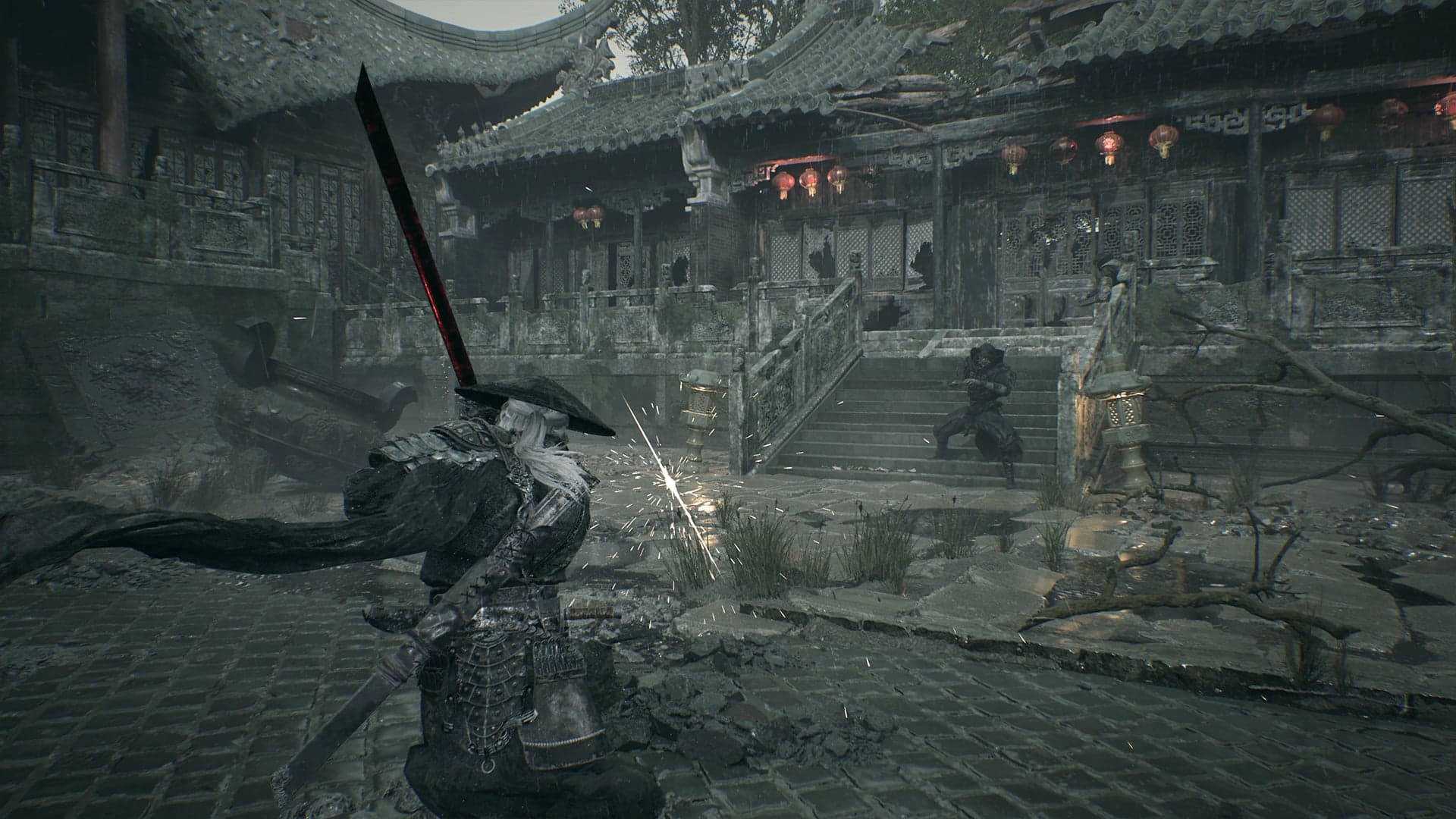
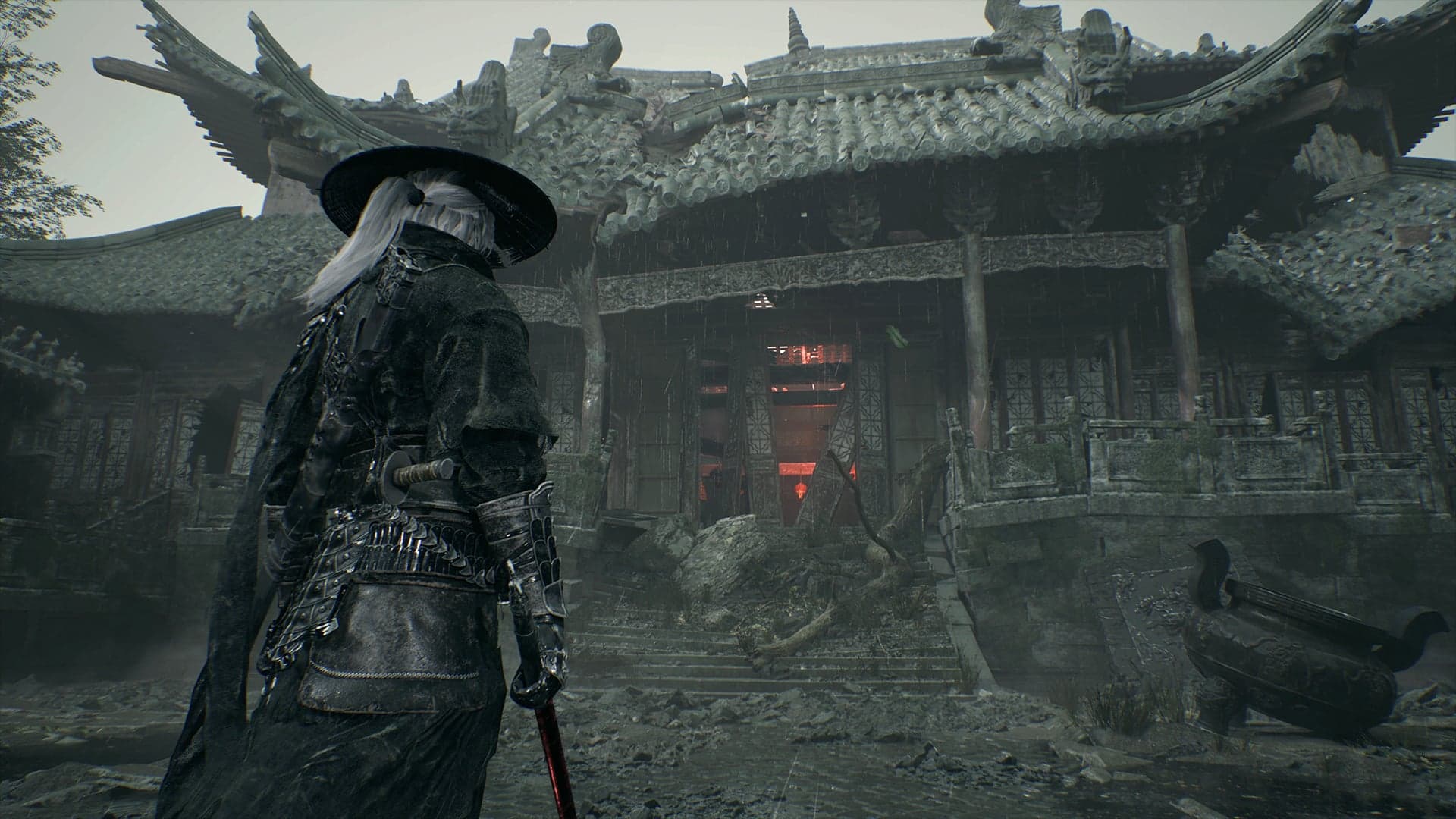
S-GAME calls the setting the Phantom World and describes it as a stage for kungfupunk. In the presentation, traditional kungfu collides with steampunk machinery, bodily modification, supernatural imagery, and a dark martial-arts atmosphere. That term is the creator's description of the game's aesthetic, not an independent genre score or proof of how every area feels in the finished release.
The shown journey reaches the town and nearby villages, valleys, lakes, and shadowed places. The narration highlights a valley occupied by violent bandits, an abandoned warehouse filled with hanging puppets, a steam-powered tower built for a dark experiment, and a vast lake crossed by a strange high-speed boat. These locations come from the official tour and do not establish the final size or number of all explorable regions.
The presentation says the game's goal is to draw from Chinese folk art and martial traditions while expressing them through a fluid, forceful kungfupunk style. Donnie Yen appears in the showcase as Creative Consultant and performer of Mó Yuan, reinforcing the production's connection to martial-arts cinema. That involvement is an official credit, while the ultimate effectiveness of the art direction remains a matter for independent assessment after hands-on access.
Exploration structure and maps
The deep dive explicitly says Phantom Blade Zero is neither an open-world game nor a completely linear adventure. Instead, it describes carefully constructed regions with hidden enemies, side quests, rare treasure, secrets, and important story clues. This is a statement about intended structure from the official presentation, not proof that every route is equally deep or that exploration never becomes constrained.
Eight hand-painted Chinese ink maps guide the journey according to the showcase. In complex regions, the maps provide only a broad sense of direction, encouraging players to navigate and discover concealed paths for themselves. The narration also says the maps connect into one world and that discovered locations support fast travel.
The footage presents villages, valleys, lakes, machinery, rituals, and alternate routes as parts of that regional structure. It does not publish a complete map, average area size, side-quest count, or percentage of optional content. The showcase promises authored semi-open exploration while leaving final scope and navigation quality to be verified in the released game.
Primary weapons and Phantom Edges
The showcase says Soul has thirty primary weapons and twenty-five secondary weapons called Phantom Edges. It presents each weapon concept as drawing from martial-arts legends, cinema, and older traditions, with different forms and techniques unlocked through upgrades. These numbers belong to the official presentation and should not be expanded into invented launch inventories or assumptions about identical depth for every item.
Examples include a drunken-sword style that builds a special resource while Soul sways through attacks and improves evasion. The White Serpent and Crimson Viper dual blades work together, with one blade's length supporting a thrown ranged strike, while a flexible sword can wrap around defenses and cut incoming threats in midair. The deep dive uses those examples to show mechanical variety rather than provide a complete move list.
The presentation also shows heavy answers to strong shields, naming iron fists and hammers as tools for breaking defense. It describes a Tiger Cannon that disrupts distant formations and a flame weapon used against a group of aggressive dogs. These are showcase demonstrations, not independent measurements of balance, damage output, enemy intelligence, or long-term build diversity.
Upgrades and changing equipment
Weapon upgrades unlock forms and techniques intended to create different combat pacing. The official narration says a Reforging Talisman can reset a weapon's level, return all invested materials, and let the player put those resources into new equipment. That system is presented as an answer to the concern that a newly obtained weapon lacks enough power to use immediately.
The showcase does not provide material costs, menu limits, item rarity, or restrictions on how often reforging is available. It also does not show a complete progression tree for all primary weapons and Phantom Edges. To be confirmed: the released game's economy and upgrade balance need direct documentation or independent testing beyond the presentation.
The official footage supports the existence of weapon switching, upgrades, and resource recovery, but it does not prove that every build remains equally effective. A demonstration is designed to explain possibilities and highlight spectacle rather than audit edge cases. Review claims about responsiveness, progression friction, or balance should therefore be kept separate from the showcase's own description.
Difficulty options and 66 Days mode
The deep dive names difficulty options designed for different ways of experiencing the story. Its translated transcript describes Wayfarer as an intuitive, cinematic option intended to let more players feel like a kungfu master, while Hellwalker is presented as the demanding setting. The hard-mode narration says bosses react to spacing, punish repeated behavior, and adapt to player habits rather than relying only on fixed patterns.
An additional 66 Days mode turns Soul's narrative countdown into an actual game timeline. The showcase says it uses Hellwalker intensity and removes precious time after each failure, with permanent death when the clock reaches zero. This is the developer's stated ruleset, and the transcript does not give a complete formula for time loss, saving, restarts, or accessibility adjustments.
Difficulty descriptions in a showcase are not independent verdicts about fairness. The presentation establishes intended audiences and headline rules, but it does not prove final tuning, consistency, or how every boss responds under each mode. Those quality questions require finished-game play rather than promotional narration.
Demonstrated Boss encounter
After explaining the systems, the State of Play transitions into an extended Boss battle demonstration. The footage is offered as a direct visual example of the combat aesthetic, speed, effects, weapon work, and encounter presentation discussed earlier. It confirms that a Boss encounter was shown, but the supplied transcript does not give a reliable English name for the opponent.
The battle sequence demonstrates a produced encounter under showcase conditions. It does not establish frame-rate consistency across all platforms, the final challenge level, the number of phases in every boss, or how typical the selected fight is across the full campaign. Treating polished footage as a complete performance review would go beyond what the presentation can prove.
The accurate takeaway is a distinction between announcement evidence and evaluation. The showcase states the 66-day premise, regional exploration structure, weapon counts, Phantom Edge system, reforging, and difficulty concepts, then demonstrates one Boss fight. Independent reviews remain responsible for judging final controls, balance, technical performance, exploration quality, and whether the released game fulfills those statements.